OpenAI has rolled out another new feature for business owners and content creators. ChatGPT can now not only write the code for a website - it can host it, publish it, and keep it live, all without you leaving the conversation with the AI assistant. The feature is called ChatGPT Sites, and it is part of the newer Work mode in ChatGPT.
This step is a fully logical one, following the emergence of the many tools and AI platforms that already offer similar services. In this article, we cover what ChatGPT Sites is, how it works, and who has access to it for now. We also add our own comments and predictions on how this functionality will affect a brand's visibility both in and outside ChatGPT - directly tied to the topic of SEO and GEO optimization.
What Is ChatGPT Sites
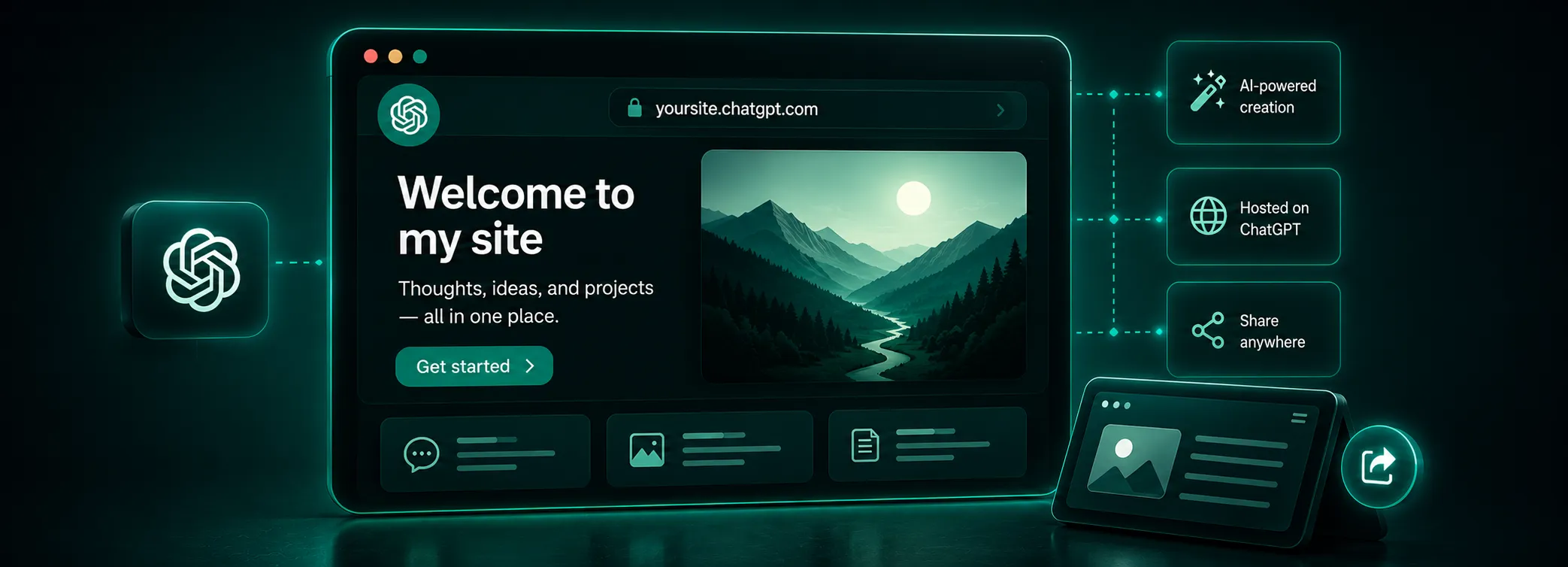
The ChatGPT Sites functionality lets you describe the kind of website or basic web app you want (a landing page, a calculator, an analytics dashboard, a "business card" site, and so on), and ChatGPT generates the code, hosts it, and gives you a link to preview and share. All you have to do is describe your idea in the chat window and mention the word "website," or use the @Sites command to trigger the process.
Once you get a visual preview of the result, you can request changes to the text, layout, styles, links, or functionality directly through the chat, until the site is ready to share. In other words, the process is identical to the familiar user experience of any AI assistant we already use today.
The key difference compared to ChatGPT's previous ability to "write code for a site" is that the platform now handles hosting as well. Until now, users received ready-made HTML/CSS code that they had to upload to a server themselves. Now ChatGPT generates a public address automatically with every publish. This means all the steps from idea to publication can now be carried out by business owners without needing to rely on developers or technical staff for support.
How to Build a Site with ChatGPT Sites
For now, the process appears to be no less intuitive than generating text or an image in a chat with the assistant:
- You describe what you want to build and add the content, files, data, links, or requirements ChatGPT should take into account.
- You get a preview of the result.
- You request changes until the site is ready to publish.
- When you publish, ChatGPT generates a live address for the site. You can also connect your own domain if you already own one - you just need to add the DNS records provided by ChatGPT in the site's settings.
- You can keep access to the finished site private, share it with specific users, or make it public, depending on your intention for the project.
Who Has Access to ChatGPT Sites - Is It Available in Bulgaria?
As of the time we're writing this article, ChatGPT Sites is already in public beta, but access is limited in a few ways:
- It's only available on paid plans - Plus, Pro, Pro Lite, Business, Enterprise, and Edu. Users on the free plan and the Go plan don't have access.
- It's available in the EU, Switzerland, and the United Kingdom. Bulgarian ChatGPT users can also use the feature.
- In Enterprise workspaces, publishing a public site is turned off by default and requires the workspace admin to enable it (for example, if your company runs its own local version of GPT).
- Every plan has usage limits, similar to the resource restrictions applied to other types of tasks.
Comment from DGTalents: The new functionality arrived in Europe with a delay. As a reminder, another anticipated feature - advertising in ChatGPT - is still not available for the local market or neighboring ones.
What ChatGPT Sites Can and Can't Do
Now that the tool is available in Europe, it's important to have realistic expectations about what kind of site you can actually build with it.
What it's suited for:
- Internal tools for teams - dashboards, calendars, various work apps, and similar.
- Prototypes and demo versions of web apps and sites for fast feedback.
- Calculators or tools with basic functionality and logic. A good example would be lev-to-euro calculators and other similarly basic, broadly useful tools.
Likely limitations:
- ChatGPT Sites will likely have restrictions around handling and processing sensitive data, such as health information, or collecting card payments directly. Sales can only run through a third-party payment provider, and the business itself carries full responsibility for that. These issues will likely be addressed as ChatGPT Sites is upgraded further down the line.
- The technological core doesn't support absolutely every modern development standard or database type that larger sites and online stores rely on when processing payments, user accounts, and large volumes of data. This means you can build a prototype site or app, but you won't always be able to handle every necessary integration and full functionality on your own. That said, OpenAI does confirm support for full-stack web apps, database plus file upload, and user accounts via Sign in with ChatGPT.
- Security and data-storage policies currently seem too strict for official web pages and apps built and hosted on ChatGPT Sites. It's unclear whether the SEO structure, load speed, semantic hierarchy, and technical optimization of a chat-generated site will meet all SEO best practices, though it may allow for greater visibility in ChatGPT's own answers.
Comment from Marketing Agency DGTalents
You'll probably keep hearing that ChatGPT Sites spells the end of web agencies and developers - just as people once predicted the disappearance of copywriters and designers. We don't share that kind of extreme prediction. We see the new tool as a good way to quickly visualize an idea, a demo project, an MVP - something you can show a client or investor at an early project stage.
There's still a substantial difference, though, between a site that looks good in a particular environment and one that actually works for your business, built with a defined architecture, SEO strategy, and business goal. At this point, we don't expect that a project built in the ChatGPT Sites environment will let you tap into the full potential of digital marketing for your business.
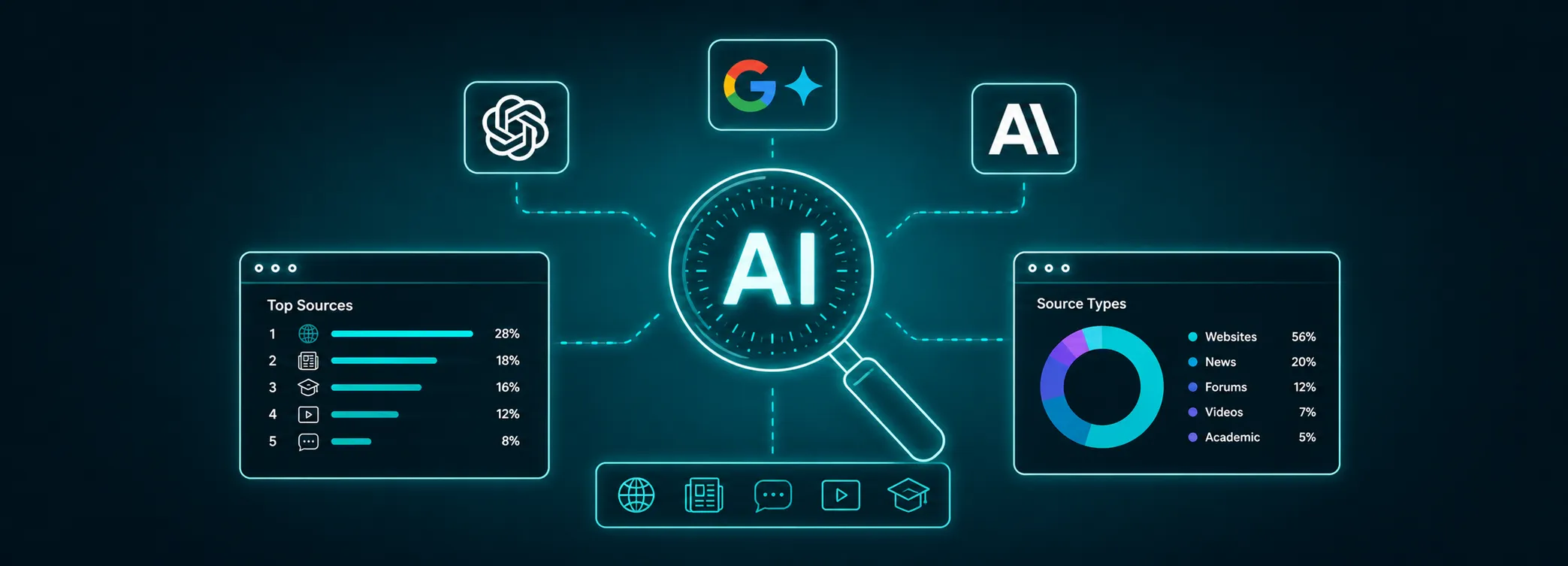
We do expect, however, that sites built with the new tool will gain better visibility and appear more often in ChatGPT's answers. See also on this topic: Fresh Data: What Do ChatGPT, Gemini and Claude Read to Answer User Questions?
If you're considering building a new site or online store, think of tools like ChatGPT Sites as an add-on to the process - useful for visualizing your idea and building a quick prototype, but not (at least for now) as a replacement for the real project.
Frequently Asked Questions About ChatGPT Sites
Can anyone use ChatGPT Sites right now? No. The feature is only available on paid ChatGPT plans, and at the time of publishing it doesn't work in the European Economic Area, Switzerland, or the United Kingdom, including Bulgaria.
Can ChatGPT Sites replace building a business website? For a basic internal tool or prototype - yes. For a real business site that needs to rank in Google and represent your brand professionally, it's missing the SEO foundations, technical flexibility, and reliability that a long-term digital strategy requires.
Can I sell products through a site built with ChatGPT Sites? Only by connecting a third-party payment provider. Sites doesn't process card payments directly, and the business carries full responsibility for fulfillment, returns, and tax obligations on sales. The popular integrations or plugins available for major e-commerce platforms are still missing.
Can I connect my own domain to a site built in ChatGPT? Yes, where the feature is available - you need to already own the domain and add the DNS records ChatGPT provides in the site's settings.
When will ChatGPT Sites become available in Bulgaria? The tool is already available for use by users in Bulgaria, the EU, and the United Kingdom.